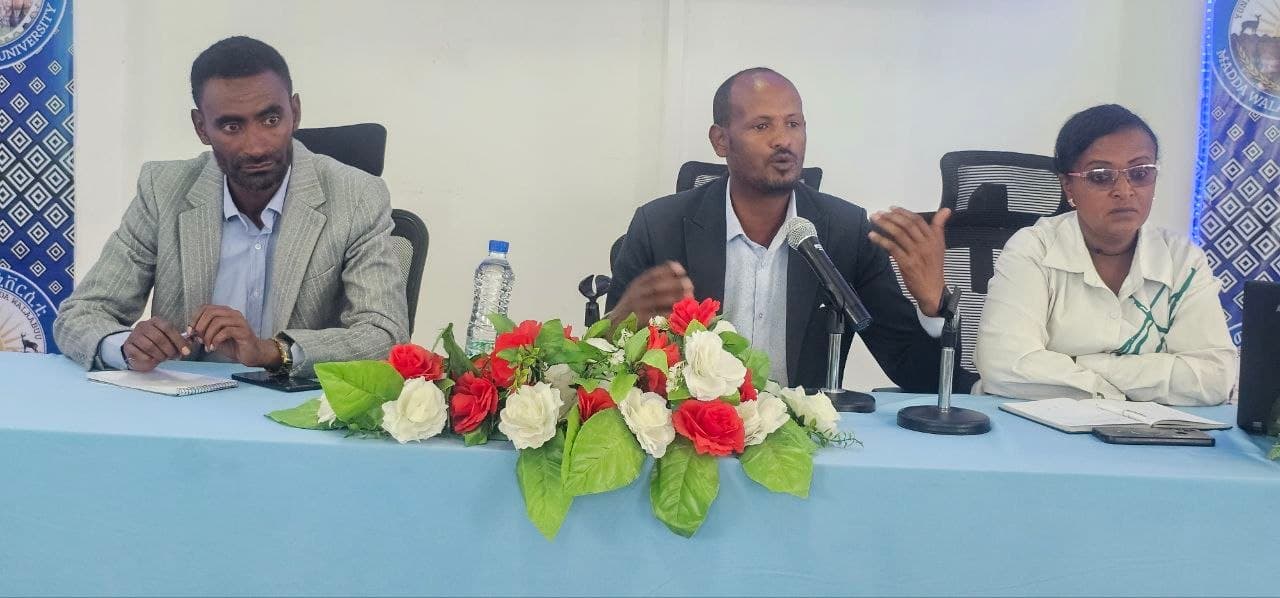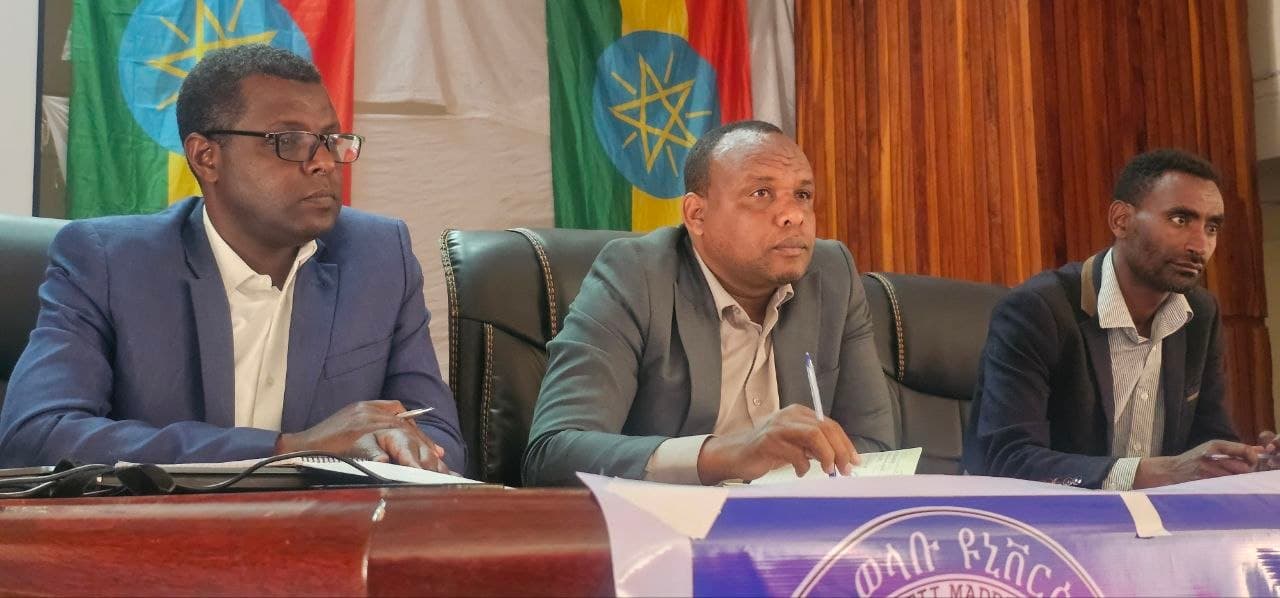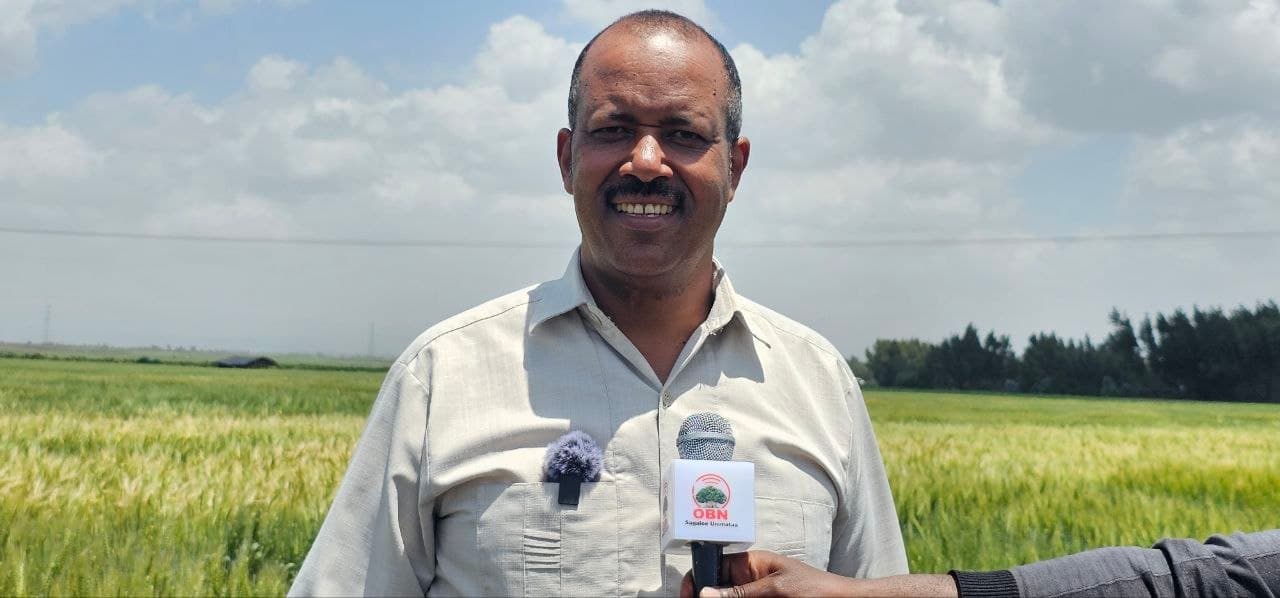
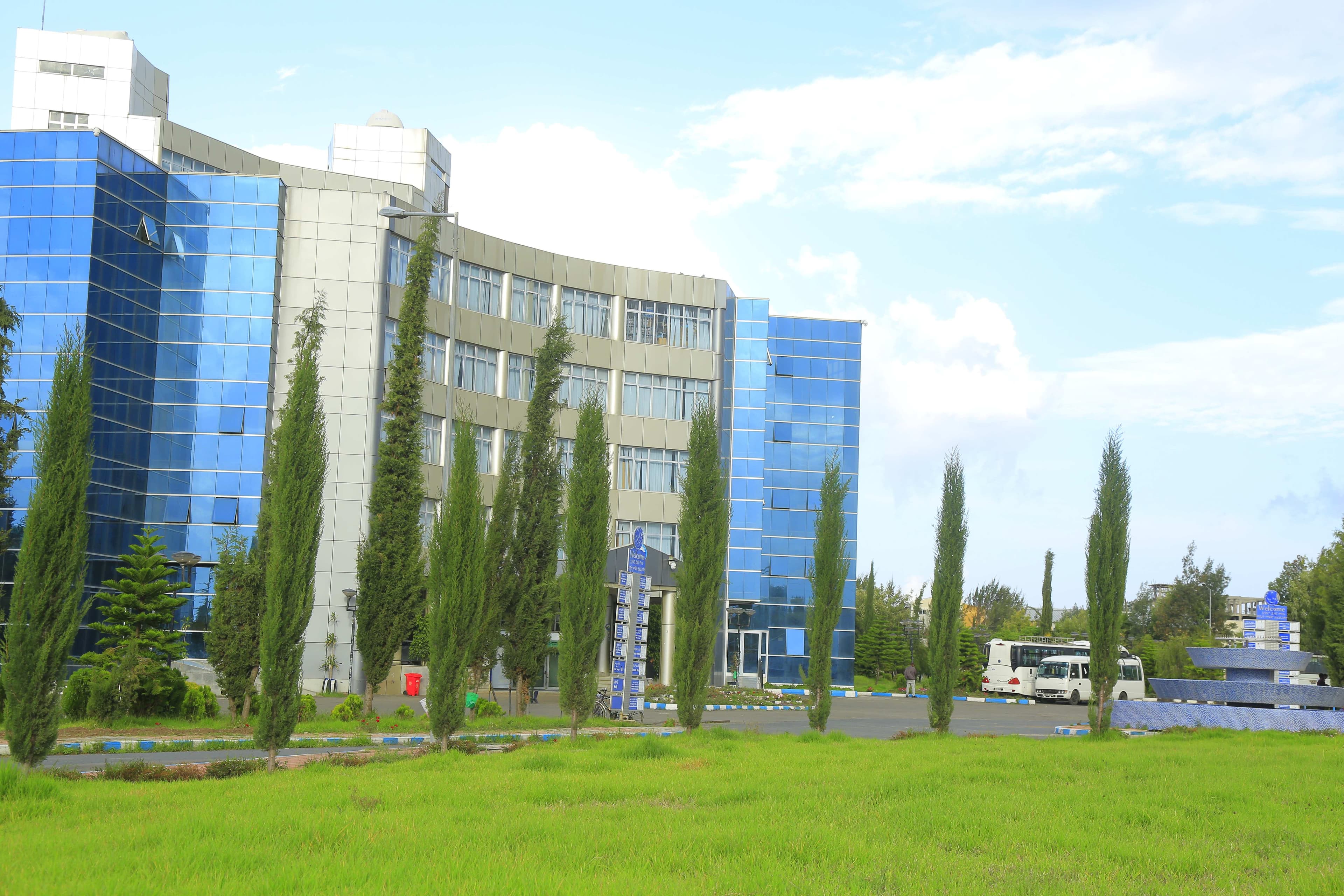
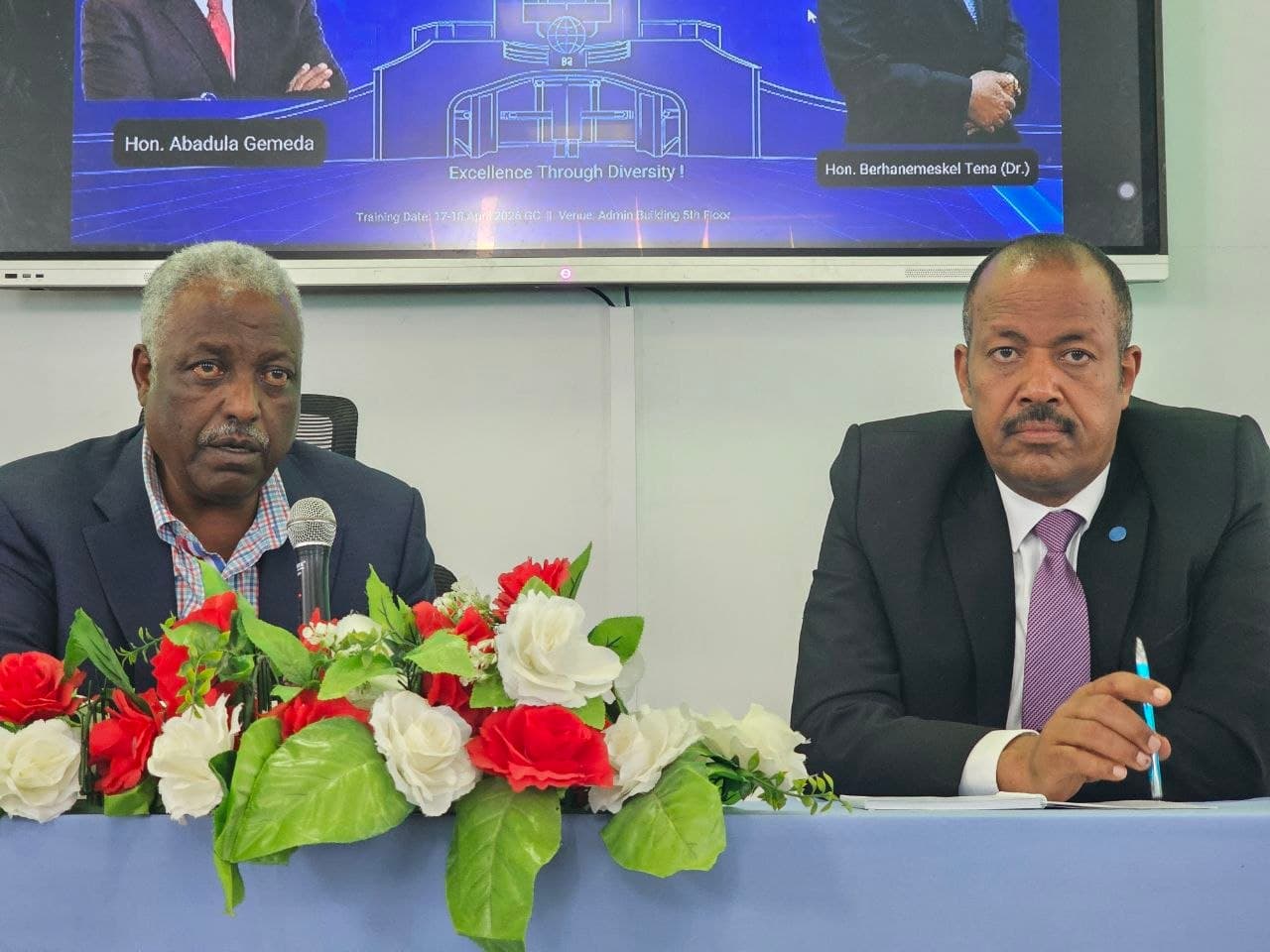
Madda Walabu University organized a comprehensive training on Transformational Leadership and Change Management to strengthen institutional leadership capacity. The program brought together key leaders, including directors, deans, executive officers, coordinators, department heads and management members from all the three campuses (Robe,Goba and Shashemene).
The training kicked off with an inspiring welcome and opening speech by Dr. Berhanemeskel Tena, the President of Madda Walabu University, he emphasized the importance of leadership development as a fundamental component in achieving the university's long-term goals. He articulated the need for leaders to collaborate and work cohesively, stressing that a sense of unity and collective responsibility is vital for the university to grow and thrive.
A keynote session was delivered by Honorable Abadula Gemeda, a renowned figure in leadership circles, who delivered an insightful presentation, titled "Transformational Leadership: Hidden Script." Drawing from his rich leadership experiences, he explored the nuances of transformational leadership, particularly its power to inspire change and drive organizational success. His presentation delved into the practical aspects of leading with vision and integrity, illustrating how transformational leadership can positively impact both individuals and organizations.
Dr. Berhanemeskel also led a second session on Change Management titled “The Why Within,” where he stressed the importance of understanding the underlying purpose of change and effectively managing transitions.
He underscored that successful change management begins with a deep understanding of the underlying “why” behind the change, he elaborated on how change is not only an external force but an internal journey that requires thoughtful consideration, strategic planning, and a unified approach from all levels of leadership.
Participants engaged in dynamic discussions on the presented topics, offering their insights, experiences, and perspectives, and the conversations reflected the shared desire to improve leadership practices and enhance the overall performance of the university.
In his closing remarks, Dr. Berhanemeskel thanked participants and encouraged them to apply the knowledge gained, describing the training as a catalyst for positive change and continuous institutional improvement.
# 17 April 2026 MWU Public & International Relation Office